
Pricens
Pricens

Omega-3 and Calcium Together: Combined Benefits and Timing

Exploring how omega-3 fish oil and calcium supplements work together to enhance bone health, cardiovascular function, and nutrient absorption through complementary biological mechanisms.

How They Work Together

Understanding the combination mechanism

How They Work Together
Omega-3 fatty acids improve calcium absorption in the intestinal tract by reducing inflammation that can impair nutrient uptake, while also decreasing urinary calcium loss. This creates a more favorable calcium balance in the body, potentially enhancing the effectiveness of calcium supplementation for bone health. Additionally, both nutrients support cardiovascular health through independent but complementary pathways—omega-3s reduce arterial inflammation and triglycerides, while calcium helps regulate vascular tone and blood pressure.

Timeline for Results
Most individuals notice cardiovascular benefits from omega-3s within 6-12 weeks, evidenced by improved triglyceride levels in blood tests. Calcium's impact on bone density takes considerably longer, typically requiring 6-12 months of consistent supplementation combined with adequate vitamin D to show measurable improvements in bone mineral density scans.

Who Benefits Most
Postmenopausal women face accelerated bone loss and increased cardiovascular risk, making them prime candidates for this combination. Older adults with inadequate dietary intake of fatty fish and dairy products also benefit significantly. Individuals with inflammatory conditions affecting nutrient absorption, such as inflammatory bowel disease, may experience enhanced calcium utilization when omega-3s reduce intestinal inflammation.

Why Individual Use Falls Short
Taking calcium alone addresses bone structure but misses the anti-inflammatory benefits that enhance its absorption and retention. Omega-3 supplementation without adequate calcium provides cardiovascular and anti-inflammatory benefits but cannot compensate for insufficient bone-building mineral intake. The combination addresses both nutrient availability and the inflammatory environment that affects how effectively the body uses these nutrients.

Practical Considerations
High-dose fish oil supplements provide concentrated omega-3s more efficiently than dietary sources alone, particularly for individuals who don't consume fatty fish multiple times weekly. Calcium carbonate and calcium citrate are the most studied supplemental forms, with citrate offering better absorption in individuals with reduced stomach acid. Timing matters—calcium is best absorbed in doses of 500mg or less, while omega-3s benefit from being taken with fat-containing meals.
When & How to Take

Usage guidelines and recommendations

Take omega-3 fish oil supplements with your largest meal of the day, preferably one containing dietary fats, to maximize absorption and reduce any fishy aftertaste. Calcium supplements should be divided into smaller doses throughout the day rather than taken all at once—for example, 500mg with breakfast and 500mg with dinner—since the body absorbs calcium more efficiently in amounts under 500mg per dose. You can take omega-3 and calcium together at the same meal without interaction concerns, or separate them based on your meal schedule. For optimal bone health benefits, take calcium in the evening when bone remodeling is most active, while omega-3s can be taken at any consistent time daily. Avoid taking calcium within 2 hours of iron supplements or thyroid medication, as it can interfere with their absorption.

Key Benefits

Positive effects of this combination

Enhanced bone mineral density through improved calcium absorption and reduced urinary calcium loss from omega-3s.

Omega-3 fatty acids reduce inflammatory processes that impair calcium absorption in the intestines while also decreasing the amount of calcium excreted through urine. This creates a more positive calcium balance in the body, allowing supplemented calcium to be retained and deposited in bone tissue more effectively. Studies show this combination is particularly beneficial for postmenopausal women experiencing accelerated bone loss, where the anti-inflammatory effects of omega-3s complement calcium's structural role in maintaining bone density.

Complementary cardiovascular protection through reduced inflammation, lower triglycerides, and improved blood pressure regulation together.

Omega-3 fatty acids and calcium support heart health through different but synergistic mechanisms—omega-3s reduce arterial inflammation, lower triglyceride levels by 15-30%, and improve endothelial function, while calcium helps regulate vascular smooth muscle contraction and blood pressure. This dual-pathway approach addresses multiple cardiovascular risk factors simultaneously, providing more comprehensive protection than either nutrient alone. The combination is especially valuable for individuals with metabolic syndrome or multiple cardiovascular risk factors.

Improved anti-inflammatory response that may reduce joint pain and support overall inflammatory balance effectively.

Omega-3s EPA and DHA are converted into anti-inflammatory compounds called resolvins and protectins, which help resolve chronic inflammation throughout the body. Adequate calcium intake supports proper cellular signaling that regulates immune responses and inflammatory pathways. Together, they create an environment that reduces systemic inflammation more effectively than omega-3s alone, which is particularly beneficial for individuals with inflammatory conditions or age-related inflammatory increases.

Better nutrient utilization efficiency through omega-3's enhancement of calcium absorption and metabolic integration synergistically.

The anti-inflammatory properties of omega-3 fatty acids improve intestinal health and permeability, creating optimal conditions for calcium absorption across the gut lining. This means the calcium you consume—whether from food or supplements—is utilized more efficiently by the body rather than being excreted unused. This enhanced bioavailability is especially important for older adults who naturally experience decreased nutrient absorption efficiency with age.

Important Notes & Interactions

Potential concerns and precautions

High-dose fish oil supplements may increase bleeding risk when combined with anticoagulant medications or before surgery.

Omega-3 fatty acids have mild antiplatelet effects that reduce blood clotting, which becomes clinically significant at doses above 3 grams daily or when combined with blood-thinning medications like warfarin, aspirin, or clopidogrel. This can result in increased bruising, nosebleeds, or prolonged bleeding from cuts. Individuals taking anticoagulants should consult healthcare providers before starting high-dose omega-3 supplements, and fish oil should typically be discontinued 1-2 weeks before surgical procedures to prevent excessive bleeding during and after surgery.

Excessive calcium supplementation above recommended amounts may increase kidney stone risk in susceptible individuals significantly.

Calcium intake exceeding 2000-2500mg daily from supplements can lead to hypercalciuria (excess calcium in urine), which increases the risk of calcium oxalate kidney stone formation, particularly in individuals with a history of stones or certain metabolic conditions. This risk is primarily associated with supplemental calcium rather than dietary sources. Taking calcium supplements with meals and ensuring adequate hydration can help mitigate this risk, but individuals with previous kidney stones should work with healthcare providers to determine appropriate supplementation levels.

Maximizing Omega-3 Absorption Through Fish Oil Supplements

Fish oil supplements contain concentrated EPA and DHA omega-3 fatty acids in amounts difficult to achieve through diet alone—a single 1000mg capsule can provide more omega-3s than several servings of non-fatty fish. This high-quantity intake is particularly effective for reducing elevated triglycerides, with studies showing 2-4 grams daily can lower levels by 15-30%.
The molecular form matters for absorption: triglyceride and phospholipid forms of fish oil are absorbed more efficiently than ethyl ester forms, though ethyl esters are more concentrated and often more affordable. Taking any fish oil form with a fat-containing meal significantly improves absorption regardless of molecular structure, since dietary fats trigger bile acid release that enhances omega-3 uptake.
High-dose fish oil allows therapeutic benefits that dietary sources cannot match, including meaningful reductions in inflammation markers (C-reactive protein) and improvements in arterial function. For individuals with high triglycerides, inflammatory conditions, or limited fish intake, concentrated supplements provide omega-3 levels that reliably produce measurable health outcomes in clinical studies.
Quality concerns require attention: fish oil supplements should be tested for mercury, PCBs, and oxidation (rancidity). Look for products with third-party testing certifications and store them in cool, dark places to prevent degradation. Enteric-coated capsules or freezing supplements can minimize the fishy aftertaste some people experience without reducing effectiveness.
Omega-3 Fish Oil, Triple Strength, 2500 mg
View on Amazon#Sponsored

Omega-3 Fish Oil, Triple Strength, 2500 mg

Re-esterified triglyceride form for better absortion. Purified to Reduce Mercury

Joint Health
Brain Function

Calcium Supplementation: When and How to Take It

Calcium supplements become necessary when dietary intake consistently falls below 1000-1200mg daily, particularly for individuals avoiding dairy products, following plant-based diets, or with conditions affecting calcium absorption like celiac disease. Supplementation is most beneficial for postmenopausal women and older adults at increased risk of osteoporosis, while younger adults with adequate dietary intake may not need additional calcium.
The two main supplemental forms—calcium carbonate and calcium citrate—differ in absorption requirements. Calcium carbonate is less expensive and more concentrated but requires stomach acid for absorption, making it best taken with meals. Calcium citrate absorbs well without food and works better for individuals with low stomach acid, including those taking acid-reducing medications or older adults with reduced gastric acid production.
Calcium absorption is limited to approximately 500mg per dose, so splitting supplementation into two smaller doses throughout the day ensures better utilization than taking a full daily amount at once. Taking calcium in the evening may provide additional benefits since bone remodeling and calcium regulation are most active during nighttime hours, though consistency matters more than specific timing.
Supplementing calcium requires adequate vitamin D (at least 600-800 IU daily) for optimal absorption and bone deposition—calcium alone cannot effectively support bone health without sufficient vitamin D levels. Excessive calcium supplementation above 2000-2500mg daily may increase risks of kidney stones and potentially cardiovascular calcification in susceptible individuals, so staying within recommended amounts is important for safety.
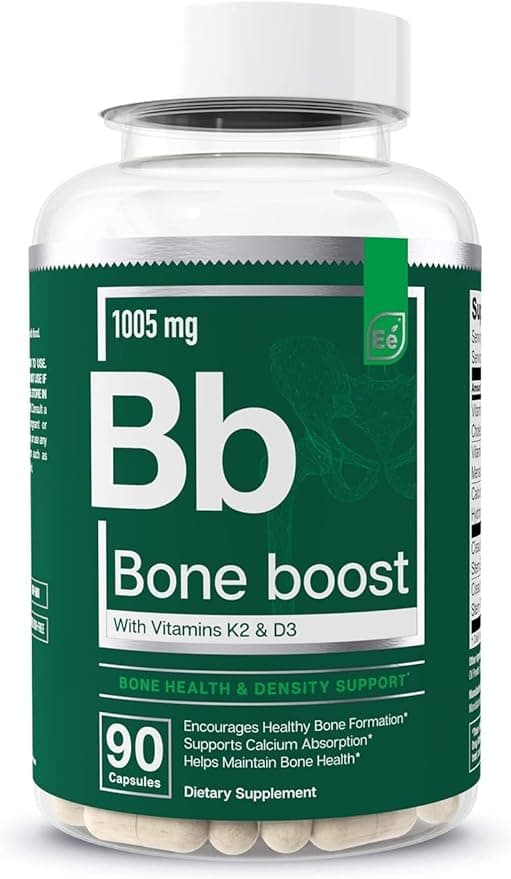
Bone Health Supplement - Maintain bone density - calcium absorption
View on Amazon#Sponsored

Bone Health Supplement - Maintain bone density - calcium absorption

Calcium + Vitamin D3 + Vitamin K2 + Magnesium + Collagen

4.5/5 rating(800+ reviews)
Bone Density
Calcium Support

Disclaimer: Some links on this site are affiliate links. As an Amazon Associate, qualifying purchases may earn us a commission. This content is for informational purposes only and is not medical advice.

Exploring how omega-3 fish oil and calcium supplemen... | Pricens