
Black Seed Oil (Nigella sativa): Benefits, Dosage and Safety
Black seed oil is pressed from the seeds of Nigella sativa, a spice used for centuries in the Middle East, North Africa and South Asia. Meta-analyses of small trials suggest it may modestly improve cholesterol, blood sugar and blood pressure, and it is being studied for allergies and asthma. Most trials are small and short, so results should be seen as promising rather than proven.
Last reviewed 2026-10-17. Educational information, not medical advice.
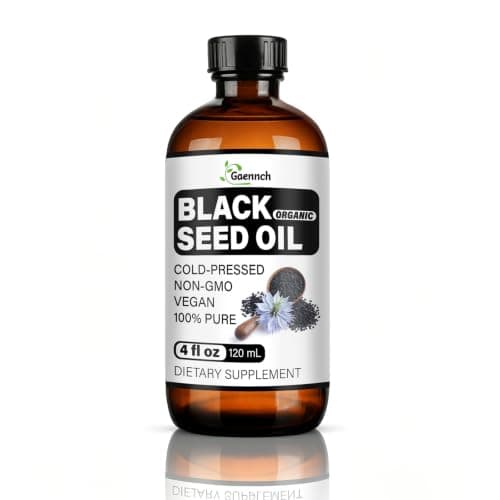
Gaennch Organic Cold-Pressed Black Seed Oil (Nigella Sativa)
Cold-pressed black seed oil — check price on Amazon.
Gaennch Organic Cold-Pressed Black Seed Oil (…
Check price on AmazonWhat is Black Seed Oil (Nigella sativa)?
Nigella sativa is a flowering plant whose small black seeds are known as black cumin, kalonji or black caraway. The seeds are used as a spice on bread and in curries, and have a long history in traditional medicine.
The cold-pressed oil contains fatty acids (mainly linoleic acid) and volatile compounds. The best-studied is thymoquinone, an antioxidant and anti-inflammatory compound in lab studies. Thymoquinone content varies widely between products.
Black seed is sold as oil, softgels, ground seed and standardized extracts. It is not related to cumin (Cuminum cyminum) or to black sesame.
Typical uses
Cholesterol
Meta-analyses of randomized trials report modest reductions in total and LDL cholesterol and triglycerides with black seed powder or oil over 4–12 weeks. Effects are smaller than those of statins.
Blood sugar
Trials in people with type 2 diabetes or prediabetes suggest small reductions in fasting glucose and HbA1c when added to usual care.
Blood pressure
Some meta-analyses report small decreases in systolic and diastolic blood pressure, mainly in people with mildly raised blood pressure.
Allergies and asthma
Small trials suggest black seed oil may reduce symptoms of allergic rhinitis and improve some asthma measures. It should not replace inhalers or prescribed treatment.
Skin and other uses
Topical black seed oil has been studied in small trials for acne and eczema. Claims for immunity, weight loss and hair growth rest on limited evidence.
How strong is the evidence?
- ModerateLDL cholesterol and triglycerides. Meta-analyses of many small RCTs; modest effect.
- LimitedBlood sugar in type 2 diabetes. Small trials as add-on therapy.
- LimitedBlood pressure. Small effects; trial quality varies.
- LimitedAllergic rhinitis and asthma. Few small trials.
- InsufficientWeight loss, immunity, hair. Little reliable human evidence.
Typical doses
| Context | Dose | Notes |
|---|---|---|
| Black seed oil | 1–3 g per day (about 1–3 mL, or 2–6 softgels of 500 mg) | Range used in most oil trials, for 4–12 weeks. |
| Ground seed powder | 1–2 g per day | Used in cholesterol and blood sugar trials. |
| Culinary use | A sprinkle of seeds on food | Food amounts are considered safe. |
- Take the oil with food to reduce stomach upset and the strong peppery aftertaste.
- Softgels make dosing easier and avoid the taste; check how many milligrams each contains.
- Choose cold-pressed oil; some labels list the thymoquinone percentage, which helps compare products.
Safety, side effects and interactions
Safety
- Black seed is safe in food amounts and generally well tolerated as oil at 1–3 g per day for up to about 3 months.
- Common side effects are stomach upset, bloating, nausea and an unpleasant aftertaste.
- Applied to skin, the oil can cause allergic contact dermatitis; test on a small area first.
- Rare cases of kidney and liver problems have been reported with very high or prolonged use.
Interactions
- Diabetes medicines: additive blood sugar lowering; monitor glucose.
- Blood pressure medicines: possible additive lowering.
- Anticoagulants and antiplatelet drugs (for example warfarin): black seed may slow blood clotting; stop it two weeks before surgery.
- Medicines that cause drowsiness: black seed may add to sedation in some people.
Who should avoid it or ask a doctor first
- Pregnancy: large amounts may affect uterine contractions; use only food amounts.
- Breastfeeding: not enough safety data for supplements.
- Bleeding disorders and the two weeks before surgery.
- Low blood pressure.
Frequently asked questions
What is thymoquinone?
Thymoquinone is the main active compound studied in black seed. Its amount varies a lot between oils; some products list it, typically from under 1% to about 3% or more.
Is black seed oil the same as black cumin?
Yes, "black cumin" is a common name for Nigella sativa. It is not related to regular cumin or to black sesame seeds.
How should I take black seed oil?
Most people take 1 teaspoon or less of oil, or 2–6 softgels, daily with a meal. Mixing the oil with honey or yogurt can mask the strong taste.
How long does black seed oil take to work?
Trials looking at cholesterol, blood sugar and blood pressure usually measured changes after 4–12 weeks.
Can I put black seed oil on my skin or hair?
It is used topically, and small trials in acne and eczema are encouraging, but it can cause allergic skin reactions. Patch test first and dilute if needed.
Choosing a Black Seed Oil (Nigella sativa) supplement
- Look for 100% cold-pressed Nigella sativa oil in a dark glass bottle or softgels.
- A stated thymoquinone percentage makes products easier to compare.
- Oil of oregano + black seed combinations contain less black seed per serving; check the milligrams.