
Bovine Colostrum: Benefits, Dosage and Safety
Bovine colostrum is the first milk produced by cows after giving birth, rich in antibodies, growth factors and protein. Small trials suggest it may reduce upper respiratory infections and gut permeability in athletes under heavy training, and it is being studied for diarrhoea. Evidence for general immunity, gut healing or anti-ageing claims in healthy adults is limited. It is a dairy product and is generally well tolerated.
Last reviewed 2026-10-17. Educational information, not medical advice.
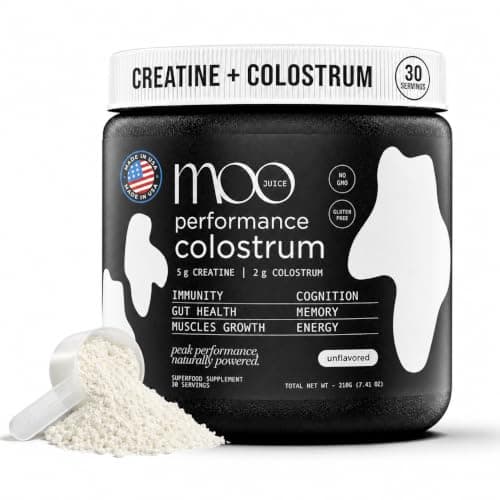
Colostrum Powder with Creatine Monohydrate | 2000mg Grass-Fed Bovine Colostrum + 5000mg Creatine
IgG — check price on Amazon.
Colostrum Powder with Creatine Monohydrate |…
Check price on AmazonWhat is Colostrum?
Colostrum is the thick, yellowish milk a mammal produces for the first few days after birth. It is far richer than regular milk in immunoglobulins (antibodies, mainly IgG), lactoferrin and growth factors such as IGF-1, which help protect and develop the newborn gut.
Supplements use bovine (cow) colostrum, usually collected after calves have fed, then pasteurized and dried into powder or capsules. Products are often labelled by IgG content, typically 15–40%.
Unlike in calves, most proteins in colostrum are digested in the adult human stomach. Effects are thought to happen mainly in the gut, where some antibodies survive and can bind bacteria and toxins.
Typical uses
Upper respiratory infections in athletes
Several small trials in endurance athletes and military personnel reported fewer or shorter upper respiratory infections with 10–20 g per day. Results are not consistent, and studies are small.
Gut permeability
Small studies found colostrum reduced the rise in gut permeability ("leaky gut" markers) caused by intense exercise in heat or by NSAID painkillers. The clinical importance is unclear.
Infectious diarrhoea
Hyperimmune colostrum products have been studied to prevent travellers’ diarrhoea and treat diarrhoea in children and people with HIV, with some positive results. Ordinary colostrum supplements are not the same as these specialised products.
Sports performance and body composition
Some trials found small gains in lean mass or recovery, but findings are mixed and colostrum is not a proven performance enhancer.
How strong is the evidence?
- LimitedFewer upper respiratory infections in athletes. Small RCTs; meta-analysis suggests a modest effect.
- LimitedExercise- or NSAID-induced gut permeability. Small mechanistic trials.
- LimitedInfectious diarrhoea (hyperimmune products). Product-specific evidence.
- InsufficientMuscle gain, anti-ageing, general immunity. Mixed or no reliable data.
Typical doses
| Context | Dose | Notes |
|---|---|---|
| Athlete and gut studies | 10–20 g per day of powder | Usually for 4–12 weeks. |
| Capsule products | 1–3 g per day | Lower than most study doses; effects at these amounts are uncertain. |
- Mix powder into cold or lukewarm water, milk or smoothies; very hot liquids can damage some proteins.
- Many people take it on an empty stomach in the morning, although timing has not been well studied.
- Combination powders (for example colostrum with creatine) provide both ingredients; check the grams of each per scoop.
Safety, side effects and interactions
Safety
- Bovine colostrum is a dairy food and is generally well tolerated at 10–20 g per day for several months.
- Possible side effects include bloating, gas, nausea and diarrhoea.
- It contains milk proteins and some lactose, so it is not suitable for people with cow’s milk allergy, and may bother people with lactose intolerance.
- Colostrum naturally contains IGF-1. It is not banned in sport, but athletes subject to testing should choose certified products.
Interactions
- No well-documented drug interactions. Ask your doctor if you take immunosuppressants, as colostrum contains immune-active components.
Who should avoid it or ask a doctor first
- Cow’s milk allergy.
- Pregnancy and breastfeeding: not enough data on supplement doses.
- People with a history of hormone-sensitive cancers should ask their doctor because of growth factor content.
Frequently asked questions
Is bovine colostrum good for leaky gut?
Small studies show it can reduce rises in gut permeability caused by intense exercise or NSAIDs. There is little evidence for its use for vague "leaky gut" symptoms.
Is colostrum lactose-free?
No. It contains some lactose, usually less than regular milk powder. Some products are low-lactose; people with milk allergy should avoid it.
What does IgG percentage mean?
It is the share of immunoglobulin G antibodies in the powder. Higher IgG means more antibodies per gram, but there is no proven ideal level.
Will colostrum help my immune system?
Trials in athletes suggest fewer respiratory infections during hard training. Evidence for boosting immunity in the general population is limited.
Can I take colostrum with creatine?
Yes. There is no known problem combining them, and some powders contain both. Check you are getting the dose you want of each.
Choosing a Colostrum supplement
- Look for grass-fed, pasteurized bovine colostrum with a stated IgG percentage.
- Powders make study doses (10–20 g) easier than capsules.
- Athletes should choose products certified by NSF Certified for Sport or Informed Sport.
Our top 3 picks for this stack
 Best pick
Colostrum Powder with Creatine Monohydrate | 2000mg Grass…
Check price on Amazon →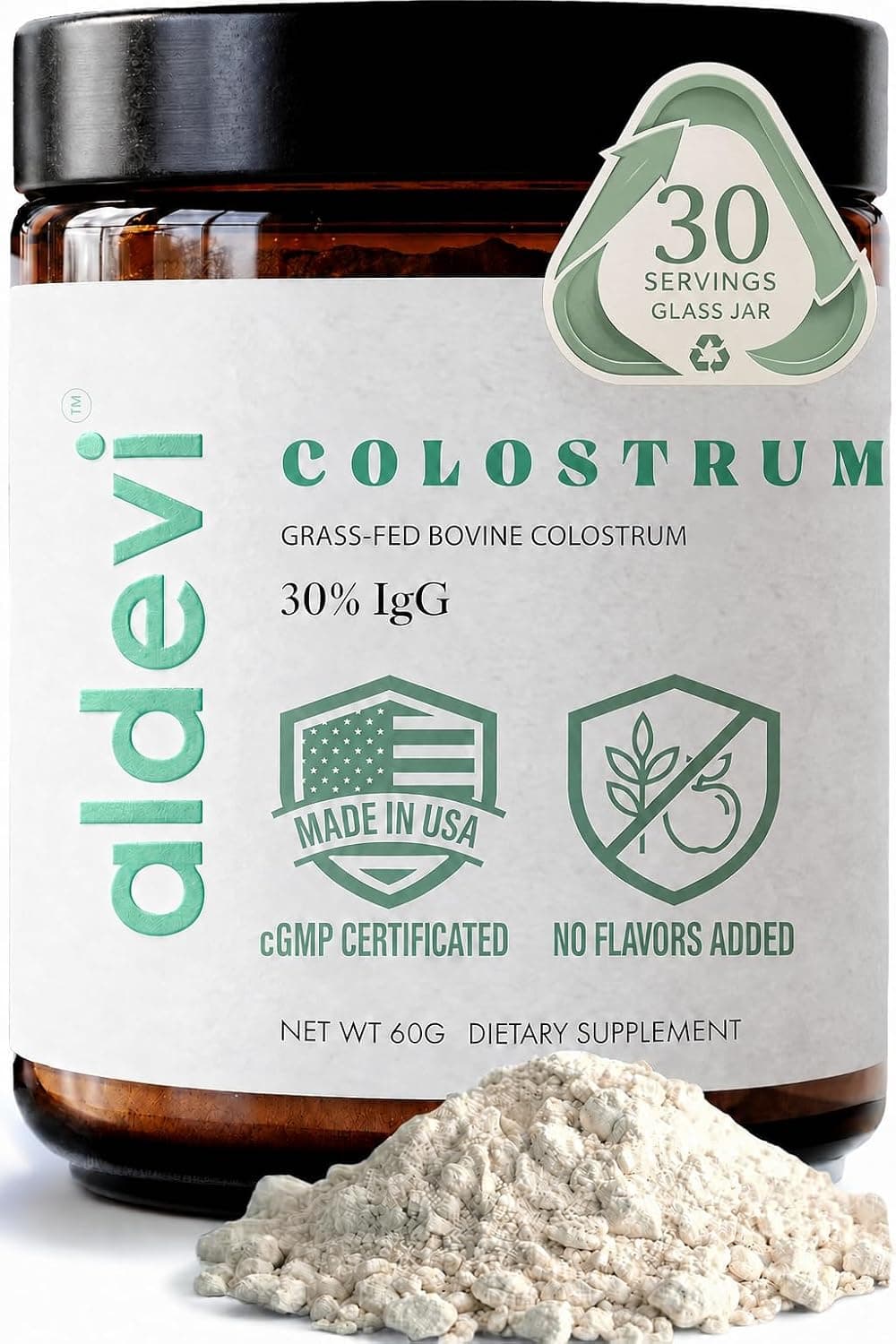
aldevi Grass-Fed Bovine Colostrum Powder 30 serv
Check price on Amazon →As an Amazon Associate we earn from qualifying purchases.