
Coenzyme Q10 (CoQ10): Benefits, Dosage and Safety
Coenzyme Q10 is a vitamin-like compound the body makes and uses to produce energy in mitochondria. As a supplement, it has the most evidence as an add-on in heart failure, and some evidence for preventing migraine. Results for statin-related muscle pain, blood pressure, fertility and exercise are mixed. CoQ10 is generally well tolerated, but it may reduce the effect of warfarin.
Last reviewed 2026-10-17. Educational information, not medical advice.
NATURE TARGET CoQ10 Gummies 200mg with PQQ, Strawberry, 90 Count
CoQ10 200 mg gummies — check price on Amazon.
NATURE TARGET CoQ10 Gummies 200mg with PQQ, S…
Check price on Amazon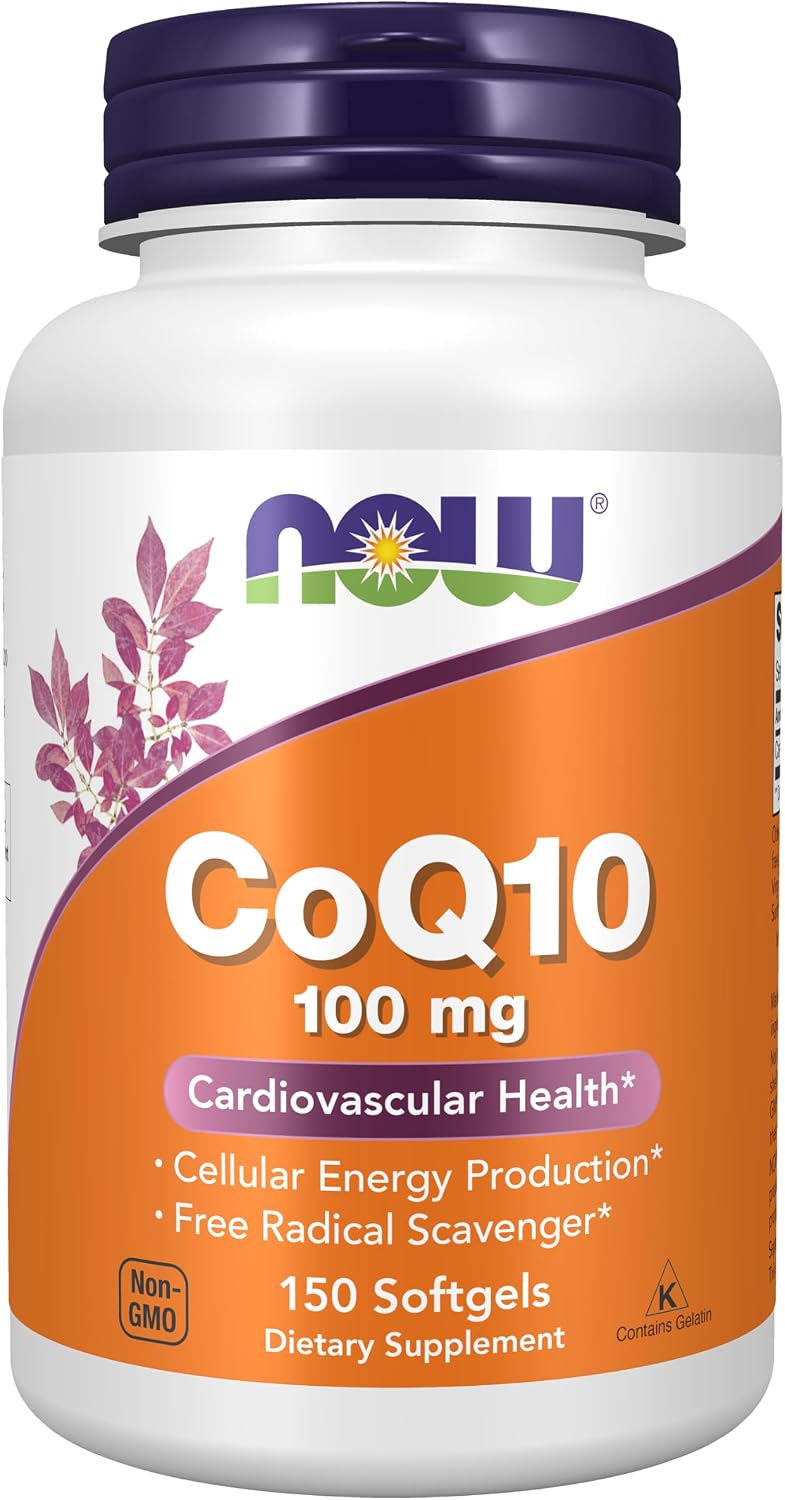
NOW Supplements, CoQ10 100 mg, Pharmaceutical Grade, 150 Softgels
CoQ10 — check price on Amazon.

Shop Coenzyme Q10 (CoQ10) supplements on Amazon
Compare Coenzyme Q10 (CoQ10) supplements on Amazon
What is Coenzyme Q10 (CoQ10)?
Coenzyme Q10 (CoQ10, ubiquinone) is a fat-soluble molecule found in almost every cell. It carries electrons in the mitochondrial energy chain that produces ATP, and its reduced form acts as an antioxidant in cell membranes. Organs with high energy needs, such as the heart, liver and kidneys, contain the most.
The body makes its own CoQ10, and small amounts come from food, mainly meat, fish, organ meats and nuts (typically 3–6 mg per day). Levels fall with age and can be lower in some diseases. Statins, which block cholesterol production, also lower blood CoQ10 because both share the same production pathway.
Supplements come in two forms. Ubiquinone is the oxidized form used in most studies. Ubiquinol is the reduced form; it is often marketed as better absorbed, but the body converts between the two forms readily. CoQ10 is poorly absorbed overall, so formulation (oil-based softgels) and taking it with fat matter.
Typical uses
Heart failure (add-on to treatment)
The Q-SYMBIO trial in 420 people with chronic heart failure found that 300 mg per day for 2 years, added to standard care, reduced major cardiovascular events and deaths. It is a single trial with limitations, and CoQ10 is not part of every guideline, but heart failure is the best-studied use.
Statin-associated muscle symptoms
Because statins lower CoQ10, it is widely tried for statin muscle aches. Meta-analyses are conflicting: some show a modest reduction in pain, others no difference from placebo. A trial is reasonable to discuss with your doctor, but stopping a statin is a separate decision.
Migraine prevention
Small trials found that 100–300 mg per day reduced migraine frequency after about 3 months. Some headache guidelines list CoQ10 as an option with limited evidence.
Blood pressure
Early studies suggested a reduction, but higher-quality reviews found no reliable effect on blood pressure.
Fertility and other uses
Small studies suggest CoQ10 may improve some sperm parameters and egg quality markers in IVF. Evidence for exercise performance, fatigue, skin ageing and Parkinson’s disease is weak or negative.
How strong is the evidence?
- ModerateHeart failure (add-on). One large RCT plus meta-analyses; not universally recommended.
- LimitedMigraine prevention. Small RCTs with positive results.
- LimitedStatin muscle symptoms. Conflicting meta-analyses.
- InsufficientBlood pressure. No reliable effect in better trials.
- LimitedMale fertility parameters. Small trials.
- InsufficientExercise performance, Parkinson’s. Mostly negative or weak data.
Typical doses
| Context | Dose | Notes |
|---|---|---|
| General supplement use | 100–200 mg per day | Common label range. |
| Heart failure (Q-SYMBIO) | 100 mg three times daily (300 mg/day) | Only with your cardiologist. |
| Migraine prevention | 100 mg three times daily, or 150–300 mg once daily | Assess after about 3 months. |
| Statin muscle symptoms (trials) | 100–600 mg per day | Results vary. |
- Take CoQ10 with a meal containing fat; absorption from capsules taken on an empty stomach is poor.
- Doses above 100 mg are often split into two or three doses to improve absorption.
- Ubiquinol may give higher blood levels per milligram in some studies, but most clinical trials used ubiquinone; either form can be reasonable.
- Blood levels take 2–4 weeks to plateau, and clinical effects in trials were usually assessed after 3 months or more.
Safety, side effects and interactions
Safety
- CoQ10 is generally well tolerated; trials have used up to 1,200 mg per day and longer-term use at 300 mg per day.
- Side effects are uncommon and mild: stomach upset, nausea, diarrhoea, loss of appetite, and trouble sleeping if taken late in the day.
- CoQ10 may slightly lower blood pressure or blood sugar in some people.
- Supplement content varies between brands; independent testing has found products with less CoQ10 than labelled.
Interactions
- Warfarin: CoQ10 is structurally similar to vitamin K and may reduce warfarin’s effect; monitor INR closely and tell your doctor before starting or stopping it.
- Blood pressure and diabetes medicines: possible small additive effects.
- Chemotherapy and radiotherapy: antioxidants may interfere with some treatments; ask your oncologist first.
Who should avoid it or ask a doctor first
- Pregnancy and breastfeeding: not enough safety data for supplements.
- Children, unless prescribed for a medical condition.
- People taking warfarin, unless their doctor monitors them.
Ubiquinone vs ubiquinol
Ubiquinone and ubiquinol are the oxidized and reduced forms of the same molecule, and the body converts between them all the time. Most of the CoQ10 in blood is ubiquinol, whichever form you swallow.
Ubiquinol supplements are more expensive and are often promoted for older adults, on the idea that conversion declines with age. Some studies show higher blood levels per milligram with ubiquinol or with well-formulated ubiquinone softgels, but there is no good evidence that ubiquinol gives better clinical results. Formulation, dose and taking it with food matter more than the form.
Frequently asked questions
Should I take CoQ10 if I am on a statin?
It is safe for most people to take together, and some people report fewer muscle aches, but trials are mixed. Talk to your doctor about muscle symptoms rather than stopping your statin.
Is ubiquinol better than ubiquinone?
Ubiquinol may be absorbed somewhat better, but most trials used ubiquinone and there is no proof that ubiquinol works better. A well-formulated softgel taken with food is the key point.
When is the best time to take CoQ10?
With a meal that contains some fat. Some people take it in the morning or at lunch because late doses may disturb sleep.
Can I get enough CoQ10 from food?
Food provides only a few milligrams per day, far below supplement doses. Healthy people make their own CoQ10 and do not need to supplement.
How long does CoQ10 take to work?
Blood levels rise within a few weeks, but trials for migraine and heart failure measured effects after 3 months or longer.
Choosing a Coenzyme Q10 (CoQ10) supplement
- Choose oil-based softgels rather than dry powder tablets for better absorption.
- Check the milligrams per softgel (100 mg is a convenient unit) and whether it is ubiquinone or ubiquinol.
- Prefer brands with third-party testing (USP, NSF or ConsumerLab-type verification).
Not sure about a standalone Coenzyme Q10 (CoQ10) product? A basic daily multivitamin is a simple everyday option.

Everyday multivitamin on Amazon