
Ginger: Benefits, Dosage and Safety
Ginger is the root-like stem of Zingiber officinale, used for thousands of years as a spice and a folk remedy for stomach upset. Its best-supported use is for nausea: trials suggest it can ease pregnancy-related nausea and may help with nausea after surgery or during chemotherapy. Evidence for period pain and osteoarthritis is more limited. Ginger is safe in food amounts and generally well tolerated as a supplement at 1–2 g per day.
Last reviewed 2026-10-17. Educational information, not medical advice.
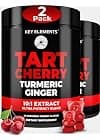
KEY ELEMENTS Tart Cherry Gummies with Turmeric & Ginger (2-Pack)
Ginger gummies — check price on Amazon.
KEY ELEMENTS Tart Cherry Gummies with Turmeri…
Check price on Amazon
Shop Ginger supplements on Amazon
Compare Ginger supplements on Amazon
What is Ginger?
Ginger (Zingiber officinale) is a flowering plant from tropical Asia. The part used in cooking and supplements is the rhizome, an underground stem, eaten fresh, dried, powdered, pickled or brewed as tea.
Its pungent taste comes from gingerols in fresh ginger and shogaols, which form when ginger is dried or heated. In lab studies these compounds affect serotonin receptors in the gut, speed up stomach emptying and reduce inflammatory signalling, which may explain its traditional uses.
Supplements contain dried ginger powder or concentrated extracts, sometimes standardized to gingerols (often 5%). Ginger is in the same plant family as turmeric and cardamom.
Typical uses
Nausea and vomiting in pregnancy
Several randomized trials and systematic reviews found that about 1 g of ginger a day reduced nausea in early pregnancy better than placebo, with effects similar to vitamin B6 in some comparisons. It seems less effective for vomiting than for nausea. Pregnant women should discuss it with their midwife or doctor first.
Chemotherapy and post-surgery nausea
Some trials suggest that ginger added to standard anti-nausea medicine reduces chemotherapy-related nausea, especially in the first day; others found no benefit. Results for nausea after surgery are similarly mixed but modestly positive.
Motion sickness
Older and small studies give conflicting results. Ginger may help some people, but it is less reliable than motion sickness medicines.
Period pain
Small trials found that ginger taken in the first days of menstruation reduced pain compared with placebo, roughly as much as common NSAID painkillers in a few head-to-head studies. Trial quality is limited.
Osteoarthritis and inflammation
Meta-analyses suggest a small reduction in osteoarthritis pain with ginger extracts, but many people stopped because of stomach upset. Effects on inflammatory markers in blood are inconsistent.
How strong is the evidence?
- ModerateNausea in pregnancy. Multiple RCTs and reviews; better for nausea than vomiting.
- LimitedChemotherapy-induced nausea (add-on). Mixed trial results.
- LimitedPostoperative nausea. Small, mixed trials.
- LimitedPeriod pain. Small trials, some low quality.
- LimitedOsteoarthritis pain. Small average effect.
- InsufficientWeight loss, blood sugar, cholesterol. Small or inconsistent studies.
Typical doses
| Context | Dose | Notes |
|---|---|---|
| Nausea in pregnancy (studied dose) | About 1 g dried ginger per day, split into 2–4 doses | Usually for up to 4 days in trials; not more than 1 g per day without advice. |
| Chemotherapy nausea (add-on) | 0.5–1 g per day | Started a few days before treatment in several trials. |
| Period pain | 750 mg–2 g per day | For the first 3–4 days of the period. |
| General use | Up to about 2–4 g dried ginger per day | Includes ginger from food; about 1 teaspoon of fresh grated ginger is roughly 1–2 g dried. |
- Taking ginger with food reduces heartburn and stomach upset.
- Compare products by the amount of ginger root or extract per capsule; extracts are concentrated, so a smaller number of milligrams can be equivalent to more powder.
- Ginger tea, chews and candied ginger contain variable and often small amounts.
Safety, side effects and interactions
Safety
- Ginger is safe in normal food amounts and generally well tolerated as a supplement at up to about 2 g per day.
- Common side effects are mild: heartburn, burping, stomach discomfort, diarrhoea and mouth or throat irritation.
- At higher doses ginger may slightly reduce blood clotting; stop supplements about two weeks before planned surgery.
- In pregnancy, reviews have not found an increased risk of harm at about 1 g per day, but use should be discussed with a clinician, especially close to delivery or with a history of bleeding or miscarriage.
Interactions
- Anticoagulants and antiplatelet drugs (warfarin, clopidogrel, aspirin): possible additive bleeding risk at supplement doses; monitor and ask your doctor.
- Diabetes medicines: ginger may lower blood sugar slightly.
- Blood pressure medicines, including calcium channel blockers: theoretical additive effects.
Who should avoid it or ask a doctor first
- Bleeding disorders, or the two weeks before surgery (supplements).
- Gallstones: ginger may increase bile flow; ask your doctor first.
- Pregnancy: only at studied doses and after discussing with a midwife or doctor.
Frequently asked questions
Is ginger safe in pregnancy?
Trials of around 1 g a day for a few days have not shown harm, and many guidelines mention ginger as an option for mild nausea. Discuss it with your midwife or doctor, and do not exceed the studied dose.
Ginger tea or capsules: which is better?
Capsules give a known dose, which matters for nausea. Tea is fine for general use, but the amount of ginger varies a lot between cups.
How fast does ginger work for nausea?
In trials, people often reported less nausea within the first days of use. A single dose may help some people, but effects vary.
Does ginger help with inflammation?
Lab studies show anti-inflammatory effects, and small trials show modest benefits for osteoarthritis pain. It is not a substitute for prescribed anti-inflammatory treatment.
Can I take ginger with blood thinners?
Food amounts are fine for most people. Supplement doses may add to bleeding risk, so check with your doctor or pharmacist first.
Choosing a Ginger supplement
- Check milligrams of ginger root powder or extract per capsule and the standardization (for example 5% gingerols).
- For nausea, a 250–500 mg capsule makes it easy to split the studied daily dose.
- Choose brands with third-party testing (USP, NSF or an independent lab).
Not sure about a standalone Ginger product? A basic daily multivitamin is a simple everyday option.

Everyday multivitamin on Amazon