
Maca Root: Benefits, Dosage and Safety
Maca is an Andean root vegetable eaten as a food for centuries and sold today as a powder or capsules. Small clinical trials suggest it may modestly improve sexual desire and some measures of mood and well-being, but the studies are few and short. It is generally well tolerated as a food, especially in gelatinized (pre-cooked) form.
Last reviewed 2026-10-17. Educational information, not medical advice.
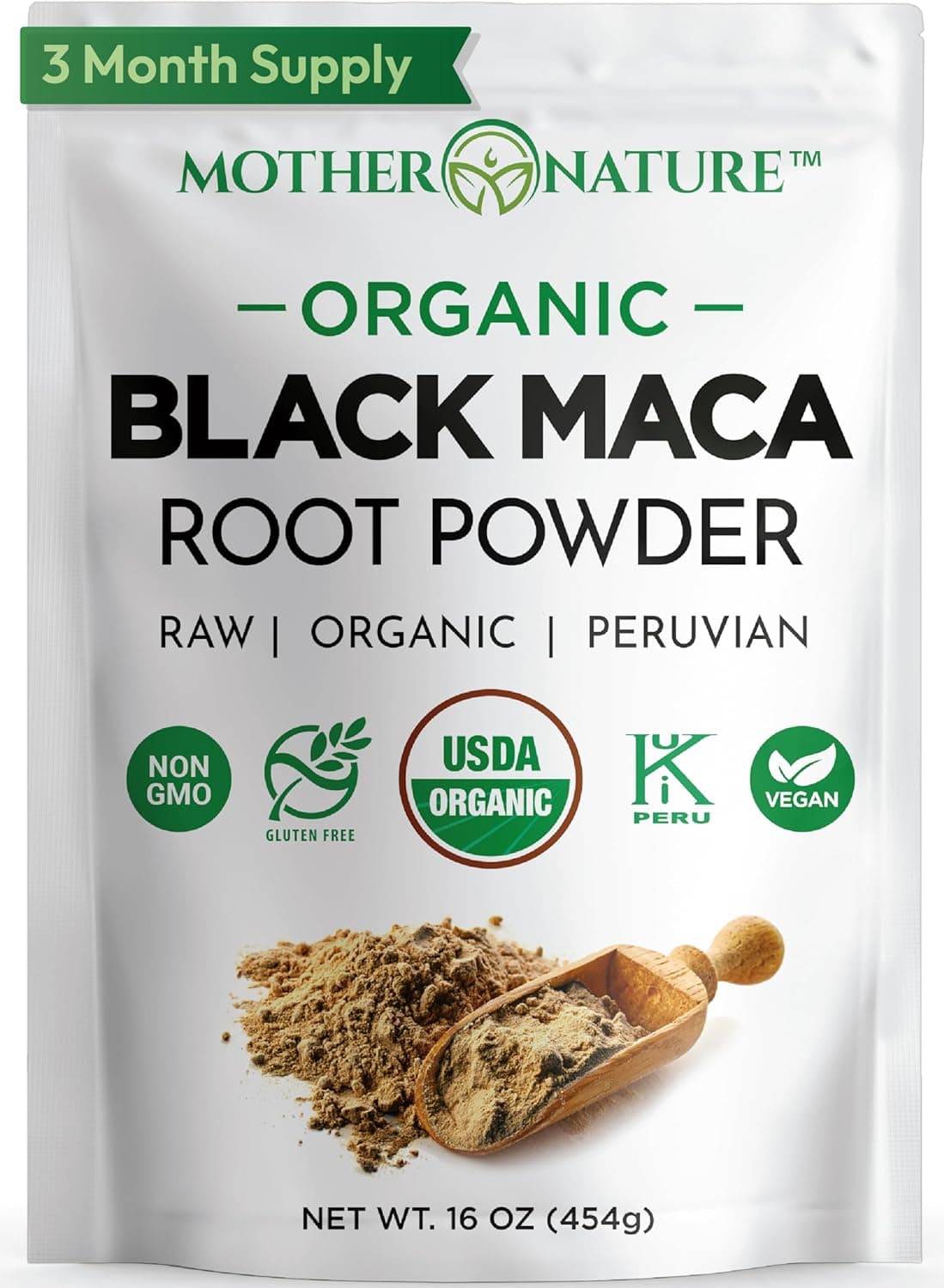
Black Maca Root Powder - Organic Peruvian Maca Strength, Endurance & Performance
Athletic performance — check price on Amazon.
Black Maca Root Powder - Organic Peruvian Mac…
Check price on AmazonWhat is Maca?
Maca (Lepidium meyenii) is a radish-like root in the cabbage family that grows at 4,000 metres or more in the Peruvian Andes. It is traditionally dried, cooked and eaten, and used as a folk remedy for energy, stamina and fertility.
The root is mostly carbohydrate with some protein and fibre. It contains glucosinolates, macamides and macaenes, which are being studied as possible active compounds. Maca does not contain hormones and does not appear to change testosterone or estrogen levels in human studies.
Maca is sold by colour. Yellow is the most common; red and black are rarer and have been studied separately. Black maca has been studied mainly for sperm parameters and red maca for prostate size, both in small or animal studies.
Typical uses
Sexual desire
A handful of small randomized trials found that maca increased self-reported sexual desire compared with placebo after 6–12 weeks, in men and in women, including women with antidepressant-associated sexual dysfunction. A systematic review called the evidence promising but limited.
Energy, mood and well-being
Some small studies report improvements in energy, mood or anxiety scores, including in perimenopausal women. Results vary and the trials are small.
Male fertility
A few small studies suggest maca may improve semen volume or sperm motility. These findings need confirmation in larger trials.
Athletic performance
Maca is often marketed for endurance and strength, but evidence in humans is very limited.
How strong is the evidence?
- LimitedSexual desire (men and women). Several small, short RCTs; positive trend.
- LimitedMenopausal symptoms and mood. Small studies with mixed results.
- LimitedSemen quality. Small pilot studies.
- InsufficientExercise performance. Very few human data.
- InsufficientHormone levels (testosterone, estrogen). Human trials generally show no change.
Typical doses
| Context | Dose | Notes |
|---|---|---|
| Gelatinized maca powder or capsules | 1.5–3 g per day | The range used in most clinical studies, usually for 6–12 weeks. |
| Food use | 1–2 teaspoons (about 3–5 g) in smoothies or porridge | Traditional food amounts can be higher. |
- Gelatinized maca has been cooked to remove starch; it is usually easier to digest than raw maca powder.
- Effects in studies appeared after several weeks of daily use, not immediately.
- Start at the low end and increase if well tolerated.
Safety, side effects and interactions
Safety
- Maca is a traditional food and appears well tolerated at studied doses for up to about 4 months.
- Raw maca powder may cause bloating, gas or stomach upset in some people.
- Maca contains glucosinolates, which in theory can affect thyroid function, particularly when iodine intake is low. People with thyroid conditions should talk to their doctor first.
- Long-term safety at supplement doses has not been well studied.
Interactions
- No well-documented drug interactions in humans. Because of limited data, check with a pharmacist if you take hormone therapy, thyroid medication or blood thinners.
Who should avoid it or ask a doctor first
- Pregnancy and breastfeeding: not enough safety information for supplemental use.
- Hormone-sensitive conditions (for example breast, uterine or prostate cancer, endometriosis): ask your doctor first, as data are limited.
- People with thyroid disease, unless their doctor agrees.
Frequently asked questions
Does maca raise testosterone?
Human studies have generally not found changes in testosterone or other sex hormones. Any effect on libido appears to work through other mechanisms.
Which is better: black, red or yellow maca?
There is not enough evidence to say one colour is better overall. Black maca has been studied most for sperm parameters, red maca in early research on prostate size, and yellow maca is the most widely available.
What is gelatinized maca?
It is maca that has been cooked and pressurized to remove most of the starch. It keeps the other compounds, is usually easier to digest and is the form used in several trials.
How long does maca take to work?
Studies typically ran 6–12 weeks, with effects reported after several weeks of daily use.
Can I take maca every day?
Daily use at 1.5–3 g has been well tolerated in studies lasting a few months. Long-term data are limited.
Choosing a Maca supplement
- Prefer gelatinized maca if raw powder upsets your stomach.
- Check the grams of maca per serving; capsules often contain 500–750 mg each.
- Choose organic, third-party tested products from Peru where possible.