
NAC (N-Acetyl Cysteine): Benefits, Dosage and Safety
N-acetyl cysteine (NAC) is a form of the amino acid cysteine that the body uses to make glutathione, a key antioxidant. It is an established hospital medicine for acetaminophen (paracetamol) overdose and a mucus thinner. As a supplement, the best evidence is for reducing flare-ups in chronic bronchitis and COPD; uses such as mental health and fertility are still being studied.
Last reviewed 2026-10-17. Educational information, not medical advice.
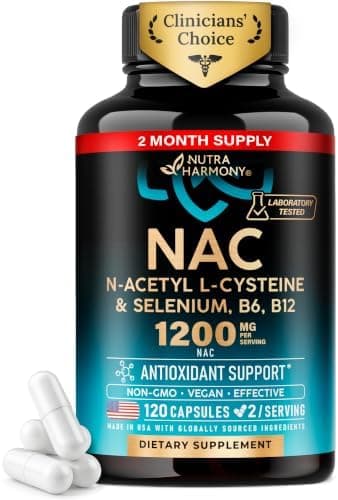
NAC with Selenium, B6 & B12 — Antioxidant Defense
L-Cysteine — check price on Amazon.
NAC with Selenium, B6 & B12 — Antioxidant Def…
Check price on AmazonWhat is N-Acetyl Cysteine (NAC)?
NAC is the acetylated form of L-cysteine, a sulfur-containing amino acid. Once absorbed, it supplies cysteine, which is usually the limiting building block for glutathione, the body's main intracellular antioxidant.
NAC is also a mucolytic: it breaks bonds in mucus, making it thinner and easier to clear. Inhaled and oral NAC are used medically for this purpose in many countries.
In emergency medicine, high-dose NAC is the standard antidote for acetaminophen (paracetamol) overdose. That use requires hospital treatment; supplements are not a substitute.
Typical uses
Chronic bronchitis and COPD
Meta-analyses of randomized trials found that oral NAC, particularly at 1,200 mg per day, modestly reduces the number of exacerbations in people with chronic bronchitis or COPD. It does not reverse lung damage.
Mucus and respiratory comfort
NAC may help thin thick mucus. Evidence for colds and flu is limited.
Mental health and compulsive behaviours
NAC has been studied as an add-on for conditions such as trichotillomania, substance use, bipolar depression and schizophrenia. Results are mixed and it should only be used alongside professional care.
Polycystic ovary syndrome (PCOS) and fertility
Some small trials in PCOS suggest benefits for ovulation and insulin sensitivity, but evidence is not strong enough to recommend it over standard treatment.
How strong is the evidence?
- ModerateFewer exacerbations in chronic bronchitis/COPD. Benefit seen mainly at 1,200 mg/day in pooled trials.
- LimitedPsychiatric add-on therapy. Mixed trial results; specialist supervision needed.
- LimitedPCOS and fertility. Small trials of variable quality.
- InsufficientGeneral antioxidant or "detox" use. No clear benefit shown in healthy people.
Typical doses
| Context | Dose | Notes |
|---|---|---|
| General supplement use | 600 mg once or twice daily | The most common supplement dose. |
| Chronic bronchitis / COPD (in trials) | 600 mg twice daily (1,200 mg/day) | Use under medical supervision. |
| Upper range in studies | Up to 1,800–2,400 mg/day | Higher doses cause more side effects; use only with professional advice. |
- NAC can be taken with or without food; taking it with food may reduce nausea.
- Many capsules smell of sulfur; this is normal.
- Some products add selenium, vitamin B6 or B12. Count these toward your total intake from other supplements.
Safety, side effects and interactions
Safety
- Oral NAC is generally well tolerated. Common side effects are nausea, vomiting, diarrhoea, stomach discomfort and an unpleasant taste or smell.
- Allergic reactions such as rash or itching are uncommon. Severe reactions occur mainly with intravenous hospital use.
- People with asthma should be cautious: inhaled NAC can trigger bronchospasm, and rare reactions have been reported with oral use.
- High doses may affect blood clotting slightly; stop about 2 weeks before surgery unless your surgeon says otherwise.
Interactions
- Nitroglycerin and other nitrates: NAC can intensify their effect, causing headaches and low blood pressure.
- Blood pressure medicines and blood thinners: possible additive effects; check with your doctor.
- Activated charcoal reduces NAC absorption (relevant in overdose treatment).
- Some chemotherapy and radiation regimens: antioxidants may interfere; ask your oncology team.
Who should avoid it or ask a doctor first
- People with active stomach ulcers or a history of bleeding problems, unless advised by a doctor.
- People with asthma who have reacted to NAC before.
- Pregnancy and breastfeeding: use only if a doctor recommends it.
Is NAC legal as a supplement in the US?
NAC was approved as a drug before it was sold as a supplement, which led the FDA in 2020–2021 to question whether it could be marketed as a dietary supplement. In 2022 the FDA said it would not take action against properly labelled NAC supplements, and NAC products remain widely available.
Frequently asked questions
What does NAC do in the body?
It supplies cysteine, which the body uses to make glutathione, an important antioxidant. It also thins mucus.
Can NAC treat an acetaminophen overdose at home?
No. Acetaminophen overdose is a medical emergency that needs hospital treatment with carefully dosed NAC. Call emergency services or poison control immediately.
How long does NAC take to work for the lungs?
In COPD trials, the reduction in flare-ups was measured over months of daily use, not days.
Why does NAC smell like sulfur?
NAC contains a sulfur group. The smell is normal and does not mean the product has gone bad.
Can I take NAC every day?
Daily use at 600–1,200 mg has been studied for months to years in lung disease. If you have a medical condition or take medicines, check with your doctor first.
Choosing a N-Acetyl Cysteine (NAC) supplement
- Check the milligrams of NAC per capsule (commonly 500–600 mg).
- If the product adds selenium or B vitamins, avoid doubling up with a multivitamin that already provides them.
- Prefer products with third-party testing and a clear expiry date; NAC can oxidize over time.